The Worldview Project
Learning to See What Shapes Everything Else
Every person lives from a worldview.
Very few ever examine it.
A worldview is not merely what someone believes about God, morality, or meaning. It is the unseen framework through which reality itself is interpreted—what feels normal, what feels threatening, what seems reasonable, what is assumed rather than questioned. Worldviews are not chosen first; they are inherited, absorbed, and reinforced long before most people realize they exist.
Scripture assumes this. It never begins with the confidence of human perception. It begins with its limits.
“Seeing they do not see, and hearing they do not hear.” (Matthew 13:13)
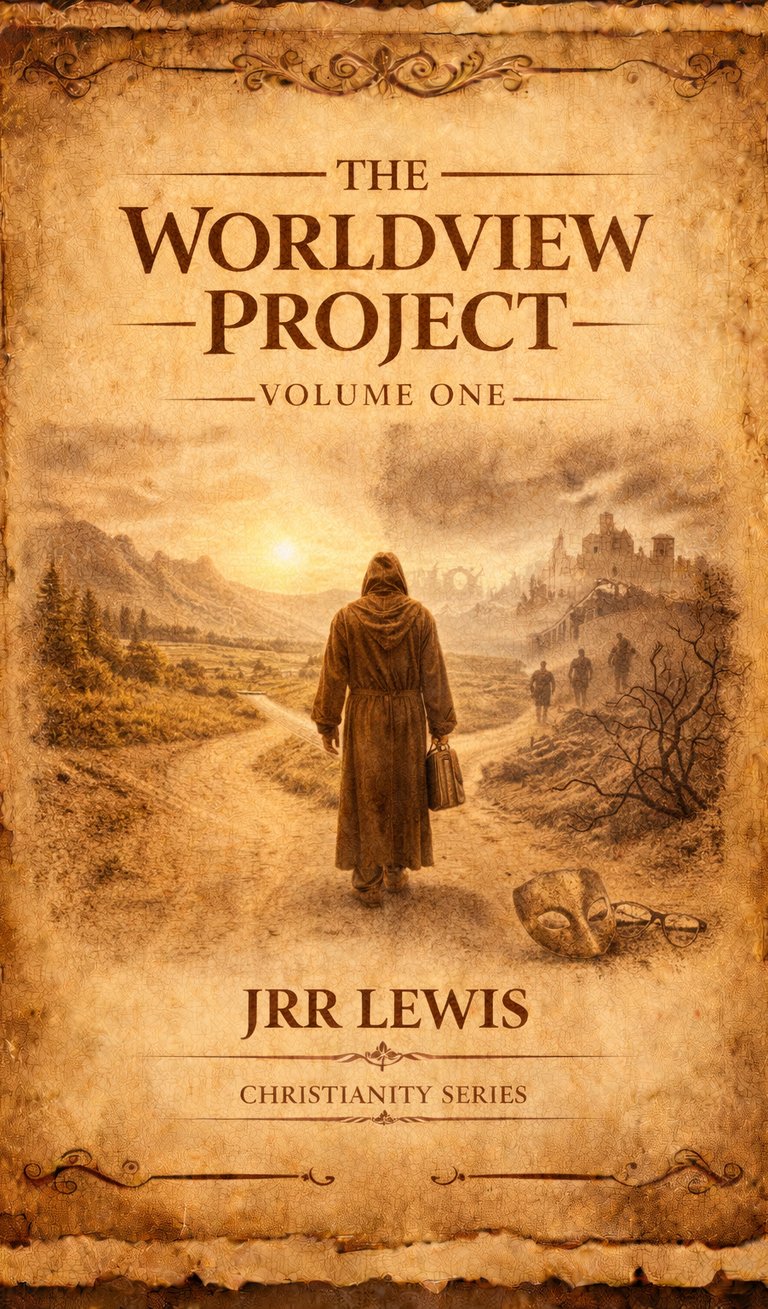
The Worldview Project exists to address a sobering biblical truth: many people believe they see clearly while remaining deeply shaped by forces they have never examined—cultural, religious, intellectual, and spiritual. This is not presented in Scripture as a moral insult, but as a human condition.
Why This Series Exists
This series was written for people who already believe in God, already speak the language of faith, and yet sense that something remains incomplete, shallow, or stalled. It is not aimed primarily at skeptics or critics of Christianity. It is aimed at those who assume they already see.
Scripture warns repeatedly that belief and blindness can coexist, that religion can thrive without transformation, and that confidence can become the greatest barrier to clarity.
“If you were blind, you would have no guilt; but now that you say, ‘We see,’ your guilt remains.” (John 9:41)
The Worldview Project takes this warning seriously.
The Shape of the Series
The series unfolds in deliberate stages, following a pattern Scripture itself models: diagnosis before deliverance, exposure before healing, surrender before sight.
Volume One focuses on the condition.
Volume Two focuses on the awakening.
Future volumes (if developed) will explore formation, endurance, and faithfulness in sighted living.
Each volume assumes the previous one has done its work.
Volume One: The Condition — Learning That We Do Not See
The first volume is intentionally diagnostic. It does not rush toward solutions. It names the forces that shape perception quietly and persistently:
inherited assumptions
cultural normalization
religious confidence
syncretism and partial surrender
information without illumination
It explores why blindness often feels like sight, why sermons frequently fail to transform, why knowledge alone cannot heal perception, and why culture is never neutral. It examines how spiritual powers reinforce worldview patterns globally—not to accuse cultures or people, but to explain why blindness is shared rather than individual.
Volume One ends at a threshold, not a breakthrough.
This is intentional.
Scripture often brings people to clarity and stops—at the Jordan, before the call, at the cost-counting moment. Readiness matters more than momentum. Illumination without surrender would only deepen confusion.
“Examine yourselves, to see whether you are in the faith.” (2 Corinthians 13:5)
Volume Two: The Awakening — What Sight Reveals and Requires
The second volume assumes readiness. It does not revisit blindness. It explains what Scripture says happens after sight is given.
Sight, according to Scripture, is not achieved through effort. It is granted by grace.
“For God, who said, ‘Let light shine out of darkness,’ has shone in our hearts…” (2 Corinthians 4:6)
Volume Two describes how sight reinterprets everything:
God is no longer manageable, but holy
the self is no longer sovereign, but stewarded
sin is no longer rule-breaking, but distortion
salvation is no longer insurance, but rescue
Scripture is no longer familiar, but disruptive
culture is no longer neutral, but formative
suffering is no longer abandonment, but refinement
With sight comes responsibility. Scripture is explicit that greater clarity brings greater accountability.
“Everyone to whom much was given, of him much will be required.” (Luke 12:48)
This volume does not romanticize awakening. It presents it as sobering, clarifying, and demanding—but also deeply freeing.
What This Series Is — and Is Not
This series is biblical, not speculative.
It is pastoral, not polemical.
It is formational, not merely informational.
It is not a self-help system.
It is not a political framework.
It is not a mystical shortcut.
It does not tell readers what to think. It teaches them how to see—by submitting perception itself to Scripture.
Why This Matters Now
We live in a time of unprecedented information and unprecedented confusion. People know more than ever and see less clearly than they assume. Cultural Christianity thrives where faith is inherited, assumed, and socially reinforced rather than examined and surrendered.
Scripture warned us this would happen.
“Having the appearance of godliness, but denying its power.” (2 Timothy 3:5)
The Worldview Project exists to slow readers down—to name what has shaped them, to expose what they protect, and to invite them to a faith that does not merely agree with truth, but is transformed by it.
The Central Prayer of the Series
This series can be summarized in a single biblical prayer:
“Open my eyes, that I may behold wondrous things out of your law.” (Psalm 119:18)
That prayer assumes blindness.
It also assumes hope.
The Worldview Project is written for those willing to pray it honestly—and to wait for what God may reveal.